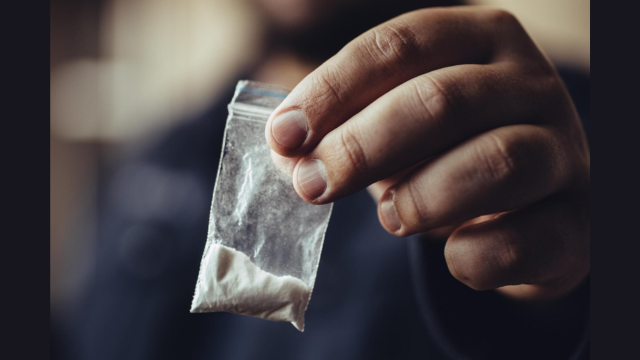
Drug abuse among students is becoming a growing crisis in Pakistan. What was once considered a problem limited to certain groups is now affecting schools, colleges, and universities across the country.
In recent years, several reports have shown that drug use among students in Pakistan is increasing at an alarming rate. According to official data shared in 2026, around 365 drug-related cases were reported in 58 universities across Pakistan during 2025. Islamabad recorded the highest number of cases, followed by Punjab and Sindh.
The problem is not limited to universities only. Experts believe many cases in schools and colleges remain unreported because students fear punishment, social shame, or expulsion. In many institutions, there is still no proper counseling system or mental health support available for students.

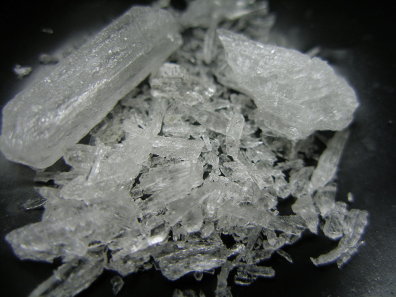
Young people often try drugs because friends encourage them or because they want to fit into social circles. The increasing popularity of vaping and “ice” among youth has made the situation more dangerous. Health experts warn that methamphetamine, commonly known as ice, is highly addictive and can severely damage the brain, behavior, and emotional stability.
According to Anti-Narcotics Force (ANF) officials, millions of young Pakistanis between the ages of 18 and 31 are considered vulnerable to drug addiction. Authorities also revealed that anti-drug campaigns in universities led to the identification of several drug dealers operating around campuses..
To address this issue, stronger action is needed from both society and the government. Schools and universities should introduce awareness programs, student counseling centers, and mental health support services. Law enforcement agencies also need to take strict action against drug suppliers operating near educational institutions.
Most importantly, students need support instead of silence and stigma. Addiction should be treated as a serious health and social issue, not just a moral failure. If Pakistan fails to control the growing drug problem among youth, the country could face serious educational, social, and economic consequences in the future.