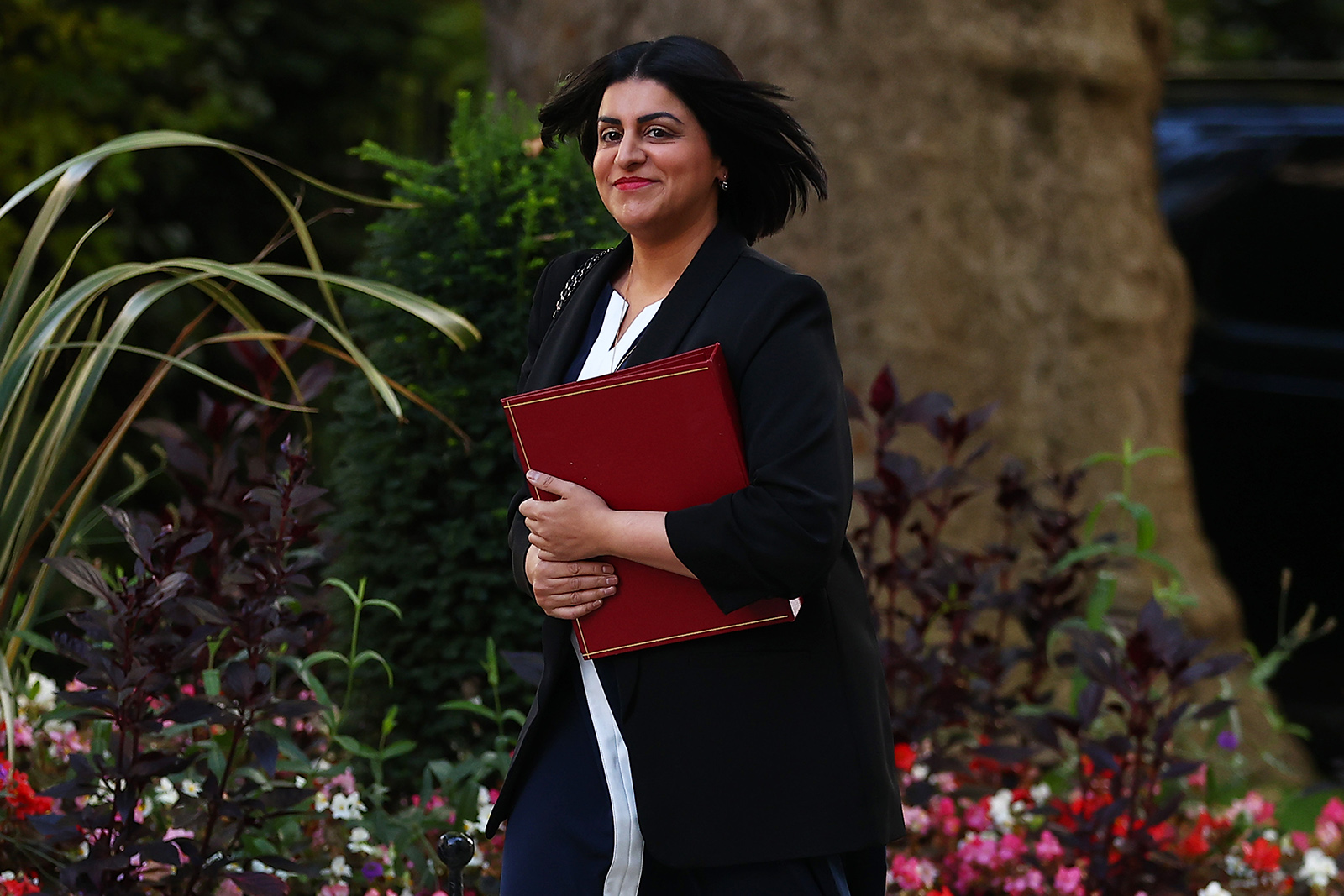
Shabana Mahmood (born 17 September 1980 in Birmingham, England) is a prominent British politician and barrister who has risen to one of the most powerful positions in UK government. The daughter of Pakistani-origin parents from Mirpur, Azad Kashmir, Mahmood spent part of her early childhood in Saudi Arabia before returning to Birmingham, where she was raised and educated. She studied law at Lincoln College, University of Oxford, and trained as a barrister specialising in professional indemnity work.
Mahmood entered national politics in 2010, winning election as the Labour Party Member of Parliament for Birmingham Ladywood at the age of 29. Her victory made her one of the first female Muslim MPs in the UK. Over more than a decade in Parliament, she held a range of shadow cabinet positions, including Shadow Financial Secretary to the Treasury, Shadow Minister for Prisons, National Campaign Coordinator, and Shadow Secretary of State for Justice.
Following Labour’s victory in the 2024 general election, Mahmood was appointed Secretary of State for Justice and Lord Chancellor. In that role, she introduced early-release schemes to help ease prison overcrowding and pursued reforms aimed at reducing backlogs in the criminal justice system.
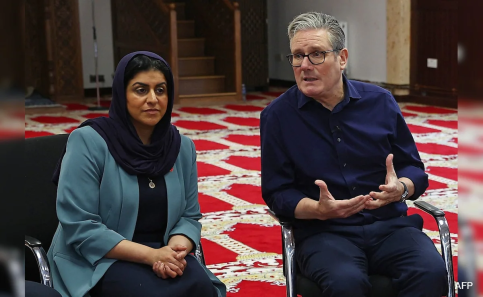
In September 2025, Prime Minister Keir Starmer appointed Mahmood Home Secretary. This department is central to national security, policing, immigration, and counter‑terrorism policy in the UK. Her tenure has brought a focus on strengthening border control, reforming asylum procedures, and modernising policing strategies.
Mahmood’s political approach blends her legal expertise, working‑class roots, and commitment to public service. She is often associated with a pragmatic strand of Labour politics and has emphasised both community cohesion and firm action on crime and immigration. Her story reflects the increasing influence of diverse voices in British political life and demonstrates how personal experience and professional dedication can shape public policy at the highest levels.