
We’ve all been there. The to-do list stretches longer than the day has hours, yet somehow, even when tasks are finished, that incomplete feeling of exhaustion remains. We blame ourselves for our poor time management skills, and search for the next productivity hack, the ultimate scheduling app. But what if the tiredness isn’t a personal failing in time organization?
For too long, the conversation around feeling overwhelmed and drained has centered on individual efficiency. We’re told to optimize our mornings, prioritize ruthlessly, and say “no” more often. While these strategies can have their place, they often fail to address the deeper, systemic issues that lead to widespread exhaustion.
We’re not just a few individuals struggling with packed schedules; a significant portion of the workforce and society at large feels perpetually tired. This isn’t a coincidence; it’s often a symptom of a culture that glorifies busyness, blurs the lines between work and personal life, and places excessive pressure on individuals to constantly produce and achieve.
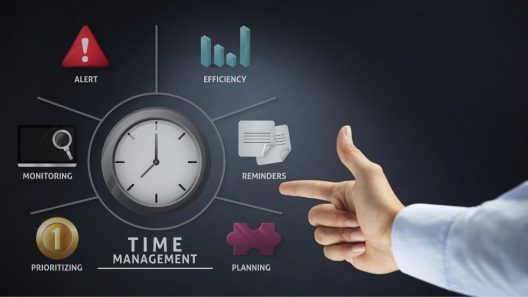
The Illusion of Control Through Time Management
The allure of time management is the promise of control. If we can just master our schedules, we believe we can conquer chaos and feel less stressed. However, research increasingly shows that chronic stress and burnout are more closely linked to factors like workload, lack of autonomy, unfair treatment, and a disconnect between effort and reward.
A study published in the Journal of Occupational Health Psychology found that while time management skills can help manage workload, they don’t necessarily buffer against burnout if the underlying job demands are excessive or the work environment is toxic. Think of the healthcare worker during the peak of a pandemic, working back-to-back shifts under immense pressure. No amount of time management could have eliminated the profound exhaustion they experienced. Their burnout wasn’t due to poor scheduling; it was a direct consequence of overwhelming demands and emotional strain.

Are We Just Managing Exhaustion?
Are we truly optimizing our days for productivity and well-being, or are we simply rearranging our tasks around a persistent undercurrent of fatigue? Many individuals find themselves scheduling “self-care” as another item on the to-do list, a frantic attempt to restore energy depleted by an unsustainable pace. This isn’t true rest; it’s another task to manage.
Consider the example of someone who diligently schedules a 30-minute meditation break in the middle of a stressful workday, only to spend that time feeling guilty about the emails piling up. They’re managing the symptom of exhaustion (stress) with a scheduled activity, but the underlying causes (overwork, lack of control) remain unaddressed.

Shifting the Focus: From Time to System
The key takeaway isn’t to abandon time management entirely, but to recognize its limitations. When widespread tiredness is the norm, we need to shift our focus from individual time hacks to addressing the systemic factors that contribute to burnout. This might involve organizations re-evaluating workloads, promoting healthier work-life boundaries, fostering supportive work cultures, and prioritizing employee well-being.
On an individual level, it means acknowledging that sometimes, the answer isn’t to squeeze more into our day, but to actively seek rest, set boundaries, and advocate for environments that value sustainability over constant productivity. Perhaps the first step to feeling less tired isn’t optimizing our time but recognizing that our collective exhaustion is a signal that something bigger needs to change.