Remote work became common after the COVID-19 pandemic. It saves time, offers flexibility, and helps many people balance personal life with work. But along with these benefits, there are challenges, especially in how it affects social skills and community bonds
Declining Social Skills
A survey of 1,000 remote workers by Resume Builder found that 25% believe their social skills have declined. Many say they now struggle with small talk, eye contact, and starting conversations. One in five also reported poorer mental health due to isolation. In Canada, 43% of workers said their social skills weakened when face-to-face meetings decreased, with women reporting this more often than men.
Losing Everyday Connections
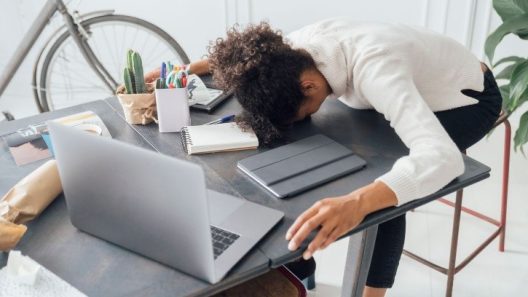
In offices, casual chats during breaks or hallway talks help build trust and friendship. These small interactions are often missing in remote work, leaving many employees feeling less connected to their colleagues. Research in Norway showed remote workers often felt lonelier, even though they were highly engaged in their tasks.
Who Feels It Most
The negative effects are stronger for younger workers, people living alone, and those who are naturally more social. Even introverts, who may enjoy quiet spaces, lose opportunities to practice communication skills that are valuable in both work and personal life.

Experts suggest hybrid work models, coworking spaces, and social activities outside of work to reduce the impact. Employers can also help by encouraging teamwork and offering more chances for communication. Remote work may bring freedom and comfort, but staying socially active is key to keeping our skills sharp and maintaining a sense of community.