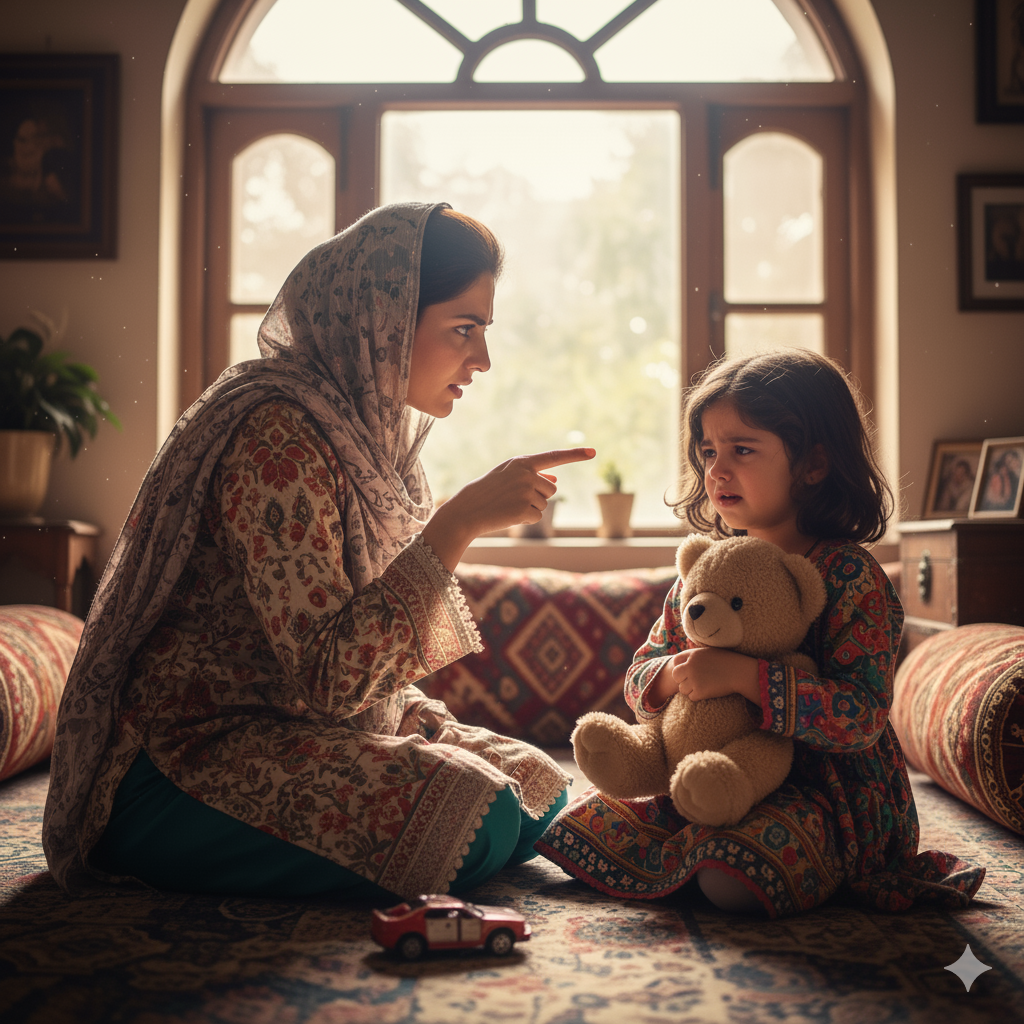
Across many Pakistani homes, parenting often follows a traditional model, one where strict rules and harsh punishments are seen as the way to discipline children. Yet, studies increasingly show that such methods may cause more harm than good. Research by the Pakistan Journal of Social and Educational Research (2023) found that teenagers raised with positive, communicative parenting styles showed higher self-esteem and better emotional control compared to those raised under authoritarian or aggressive parenting. The message is clear: respect fosters growth, while fear breeds silence.
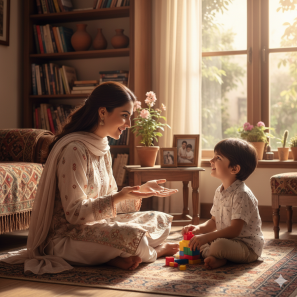
Positive parenting focuses on guidance rather than punishment. It involves listening to children, validating their emotions, and setting boundaries through understanding instead of threats. For instance, a mother in Lahore shared how she replaced yelling with calm conversations. Over a few months, her son became more open and responsible. It’s proof that children respond best when they feel heard and respected. This approach not only improves behaviour but strengthens the emotional bond between parent and child, building trust that lasts a lifetime.
In Pakistan, harsh punishment is often justified as “tough love.” However, a 2022 study published by the Pakistan Armed Forces Medical Journal revealed that children exposed to physical or verbal punishment were more likely to develop aggressive behaviour and emotional distress. Positive discipline, on the other hand, teaches children accountability through empathy and dialogue. It shifts the focus from control to cooperation.
Teachers at several Karachi schools implementing positive discipline programs noticed reduced classroom conflicts and improved academic focus among students. This transformation reflects a deeper truth—children mirror the environment they grow up in. When discipline is built on respect, they learn responsibility without resentment.
“If children fear you, they cannot trust you. If they don’t trust you, they cannot learn from you.” — Lori Petro. Positive parenting is not about letting go of discipline, it’s about reshaping it with love, understanding, and respect. In doing so, we build a generation that listens, learns, and leads with compassion.