Influencer culture looks glamorous from the outside, perfect photos, luxury lifestyles, and endless positivity. But behind the filters and brand deals, there’s a darker side affecting both followers and influencers themselves. Recent studies show serious links between social media fame, mental health problems, and emotional manipulation.
Impact on Followers’ Mental Health
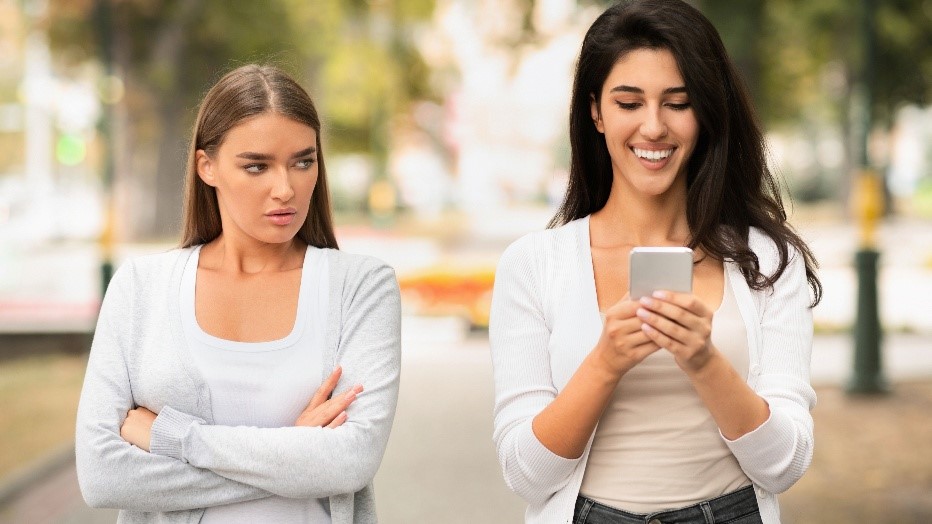
Constant comparison is one of the biggest problems. Seeing influences post flawless bodies, expensive trips, and ideal lives makes many people feel inadequate. A study in Psychology & Marketing found that regularly viewing these “perfect” images lowers self-esteem and increases dissatisfaction with one’s own appearance.
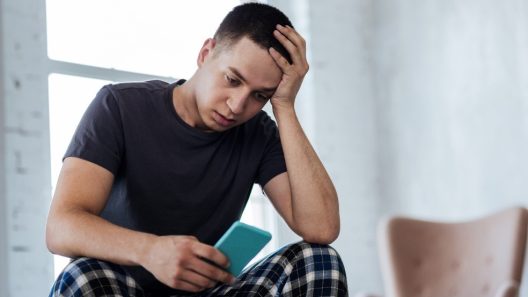
Research from Eurasian Journal of Humanities and Social Sciences shows that more than half of frequent Instagram and TikTok users reported symptoms of anxiety and depression. Similar studies with teens reveal that heavy social media use is strongly linked to loneliness and low mood.
Another growing issue is misinformation. An investigation by The Guardian in 2025 revealed that over 50% of the top TikTok videos under the “#mentalhealthtips” tag included misleading or false claims. This means vulnerable viewers may rely on poor or unsafe advice.
Struggles Faced by Influencers
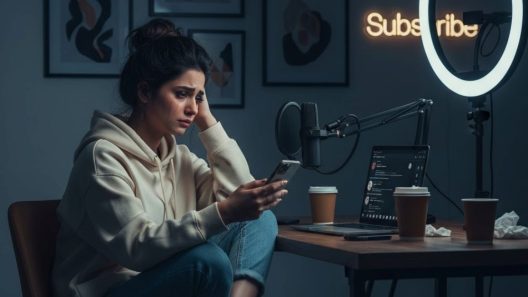
Influencers themselves also face pressure. A recent study published on PubMed found that those spending more than five hours a day online were more likely to experience stress, anxiety, and emotional exhaustion. Another survey reported that 47% of influencers believe their work negatively affects their mental health. Many said they constantly worry about their image, audience engagement, and staying relevant creating a cycle of burnout.
How Manipulation Happens
Influencer culture often promotes unrealistic beauty standards through filters and editing. This has led to issues like “selfie dysmorphia,” where people want their real faces to look like their filtered selfies.
Another problem is toxic positivity. When influencers only show happy, perfect moments. This hides real struggles and can make followers feel guilty for their own negative emotions.
Finally, many influencers promote sponsored products without clearly saying so. Some even use their personal mental health stories to sell supplements or apps, blurring the line between genuine advice and marketing.
To limit the harm, followers should practice media awareness, knowing what’s real and what’s fake. Reducing screen time and following influencers who promote honesty can also help. Platforms should enforce transparency rules for advertising and remove misleading content.
Influencer culture can inspire and connect people, but it also has risks. Awareness, honesty, and mental health care are key to making social media a healthier space for everyone.