Every November, the world observes Movember — a campaign dedicated to raising awareness about men’s physical and mental health. But in Pakistan, the topic of men’s mental well-being is still often ignored. Many men continue to suffer quietly because they fear being judged, labeled, or seen as “weak.” This silence has created an invisible crisis that deserves attention and compassion.
The Pressure to Stay Strong
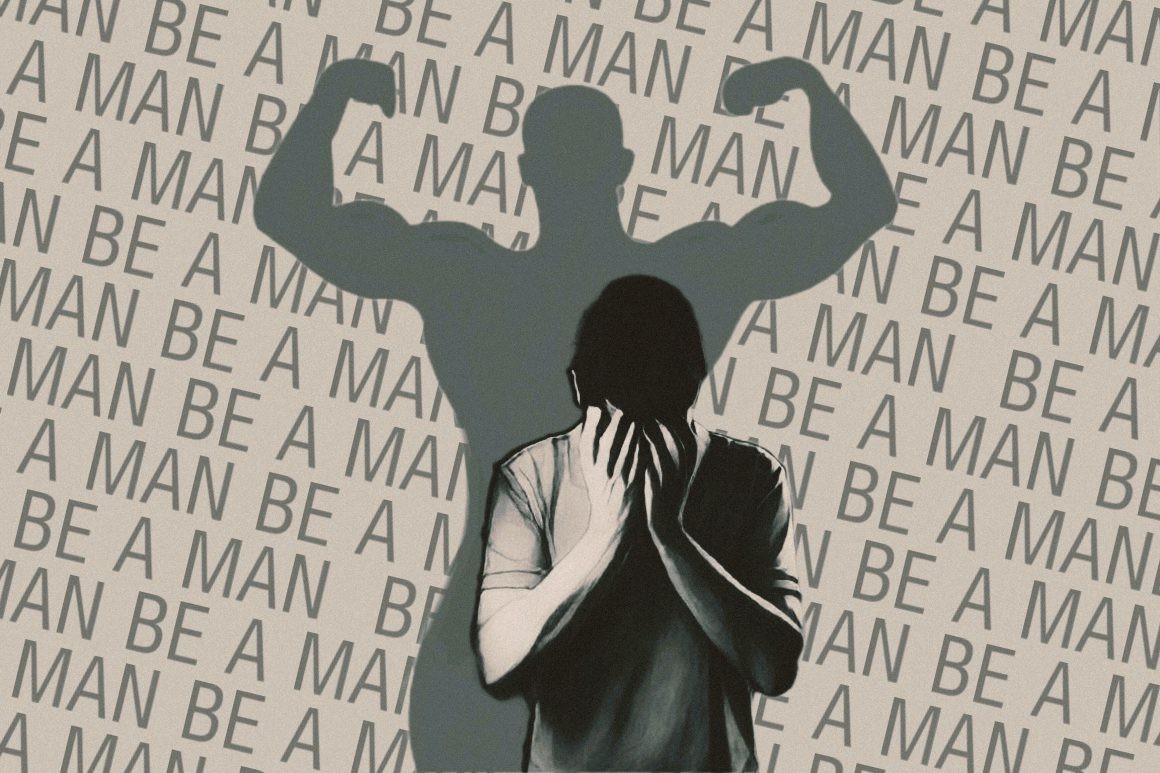
In our culture, men are taught from a young age to be tough, to never cry, and to bear every burden silently. They are expected to be the protectors and providers, which often leaves them with little emotional space to express vulnerability. This constant pressure builds up over time. According to the World Health Organization (WHO), suicide rates among Pakistani men are significantly higher than among women, showing how unspoken pain can turn deadly when left unchecked.
Take, for example, a father working tirelessly to provide for his family. He may face financial struggles and exhaustion but never speak of it, believing that “real men don’t complain.” Or consider a young university student facing anxiety about his future. He might feel scared to open up, thinking others will not understand. These silent struggles are far more common than we realize.
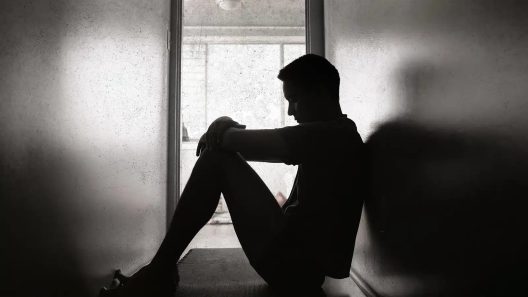
Unfortunately, the stigma around mental health in Pakistan runs deep. Many still believe that going to therapy means something is “wrong” with you. This mindset stops men from getting the help they need. Mental health, however, is just as important as physical health. Just as we visit a doctor for a fever, we should feel free to seek help when our mind is unwell.
Changing the Conversation
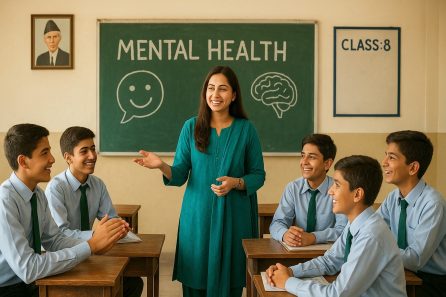
To truly support men’s mental health, we must start by talking at home, in schools, in workplaces, and among friends. Listening without judgment can make a huge difference. Movember isn’t just about growing a mustache; it’s about growing awareness. It’s a reminder to check in with the men around us and to ask, “How are you really doing?”
Real strength isn’t about staying silent or pretending to be okay. It’s about having the courage to speak up, to seek help, and to heal. This November, let’s support the men in our lives by reminding them that it’s okay not to be okay and that asking for help is not weakness, but bravery. Together, we can end the silence and break the stigma surrounding men’s mental health in Pakistan.