Bollywood has a strong influence on how people understand society. Over time, many Hindi films have repeatedly shown Muslims in a narrow and negative way. Instead of showing them as ordinary people with different lives and identities, cinema often presents Muslim characters as villains, criminals, or permanent suspects.
Several well-known films link Muslim identity with terrorism or violence. Movies like Roja (1992), Fanaa (2006), Kurbaan (2009), and Baby (2015) focus on national security but often place Muslim characters at the center of danger. This repeated pattern sends a message that Muslims are a threat, even though crime and extremism have no religion.

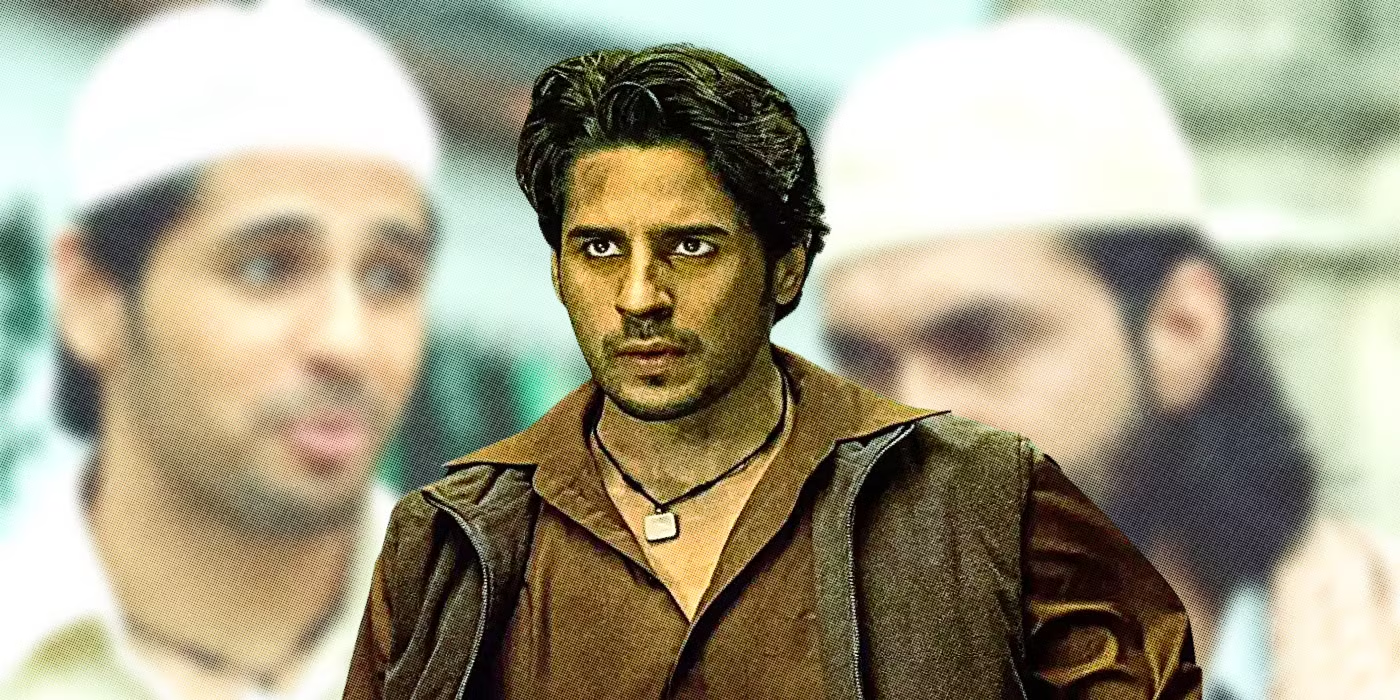
Another common portrayal is showing Muslims as people who are constantly under suspicion. In films such as A Wednesday and Article 15, Muslim characters are questioned first or silently framed as possible wrongdoers. The recent film Dhurandhar also follows a similar path. It has been criticized for presenting Muslim characters in a suspicious and aggressive light, reinforcing the idea that Muslims are linked to crime and unrest. Such portrayals may be part of the story, but when repeated across many films, they strengthen harmful stereotypes.
How Bollywood Portrays Muslims
Bollywood often limits Muslim characters to fixed roles. Men are shown as extremists, gang members, or angry rebels, while women are shown as silent, fearful, or lacking agency. Rarely do films show Muslims as teachers, doctors, students, or everyday professionals living normal lives.
Cinema does more than entertain—it shapes thinking. When one community is shown negatively again and again, it creates fear and misunderstanding in real life. Although films like My Name Is Khan have tried to break these stereotypes, they remain exceptions. Bollywood needs more balanced and responsible storytelling that reflects truth, diversity, and shared humanity.