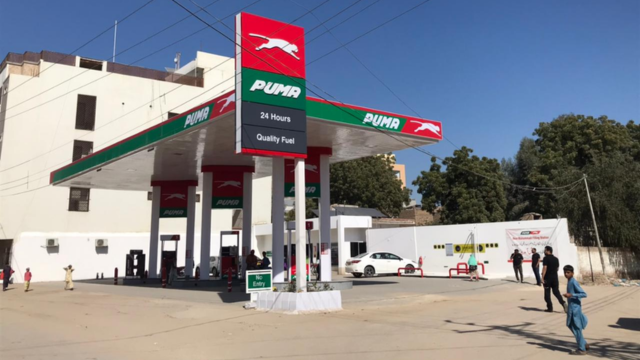
In March 2026, petrol prices in Pakistan reached one of their highest levels in history. After a sudden increase of Rs55 per litre, petrol prices rose to about Rs321 per litre, while diesel reached nearly Rs335 per litre. The increase was mainly caused by rising global oil prices and regional tensions that affected international energy markets.
For ordinary people, this increase has made everyday life more expensive. Petrol is not only used for personal vehicles but also for transportation, delivery services, and moving goods across cities. When fuel prices rise, the cost of many other things also increases.
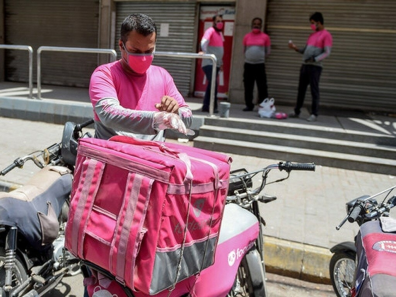
One of the groups most affected is daily riders and delivery workers. Thousands of people in cities like Karachi, Lahore, and Islamabad work as riders for companies such as Foodpanda, Bykea, indrive and other ride-hailing services. These workers depend on motorcycles, which require petrol every day to earn income. Many riders say that a large portion of their daily earnings now goes directly into buying fuel. In some cases, riders must spend several hundred rupees daily just to keep working. When fuel prices rise, their profit becomes smaller, even though they continue working long hours.
Public transport users are also feeling the pressure. After the recent fuel price increase, transport operators raised fares for buses, vans, and rickshaws across many cities. This means office workers, students, and laborers now spend more money simply to travel to work or school. Reports show that transport fares increased soon after the petrol price hike, adding another burden for commuters who rely on public transportation.
Another major effect is the increase in food and grocery prices. Most food items are transported by trucks that run on petrol or diesel. When fuel becomes more expensive, transportation costs rise, and shopkeepers often increase prices to cover those costs. As a result, ordinary families end up paying more for vegetables, fruits, and daily household items.

Another unexpected impact of the fuel crisis has been on education. To reduce fuel consumption, the government announced temporary measures such as school closures and shifting universities to online classes. The idea was to reduce commuting and save fuel during the crisis. However, this change created difficulties for many students, especially those who do not have reliable internet access or digital devices. As a result, the shift to online learning disrupted the education routine of many students across the country.
The petrol price hike has also affected the wider economy. Pakistan imports most of its fuel, so global oil price changes quickly affect the country’s inflation rate and cost of living. Economists warn that higher fuel prices can increase inflation and reduce the purchasing power of low-income households.
In conclusion, petrol price hikes affect far more than just drivers. They influence transport fares, food prices, and the income of workers such as delivery riders and drivers. For many ordinary people, especially those earning daily wages, rising petrol prices make it harder to manage basic expenses and maintain a stable livelihood.