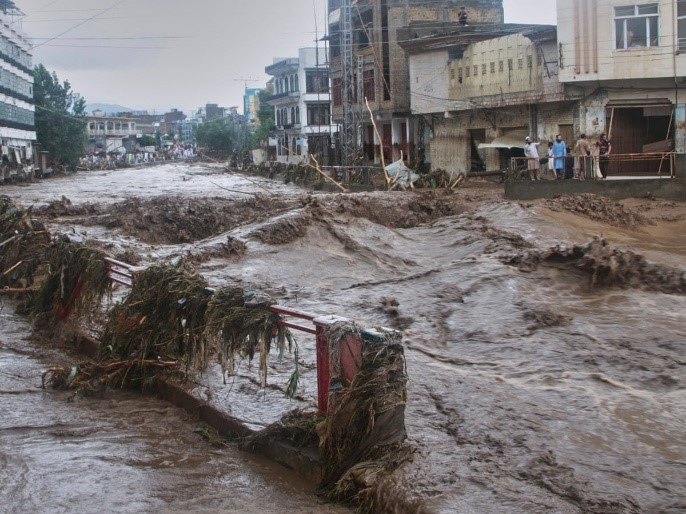
Pakistan is facing a major environmental crisis. Recent reports reveal that the country has lost nearly 18% of its forest cover, a decline so severe it threatens both ecosystems and people’s livelihoods for years to come.
The Causes and Consequences
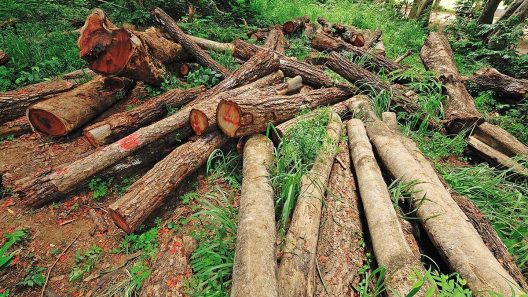
The loss of forests in Pakistan is caused by human activities and climate change. Illegal logging continues to be a serious problem, with trees cut down for timber without any regulation. At the same time, the demand for more farmland to feed a growing population has led to large areas of forest being cleared. Climate change adds another layer of pressure, with rising temperatures and unpredictable rainfall patterns increasing the chances of forest fires, pests, and diseases.
The link between deforestation and flooding is clear. During the catastrophic 2022 floods, the absence of forests in upstream regions worsened destruction. Without trees absorbing rainwater, heavy monsoon rains surged unchecked, flooding Sindh and Balochistan.
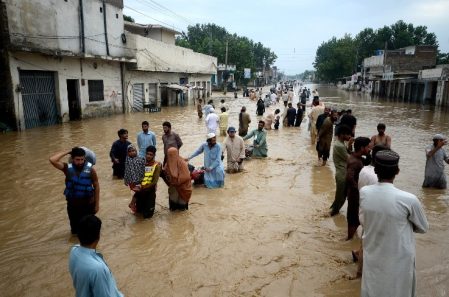
Again in 2025, extreme monsoon rains triggered severe floods and landslides in Punjab and Khyber Pakhtunkhwa. Reports from the NDMA and research groups confirmed that deforestation in the mountains made the disaster far worse. With no tree roots to hold soil or slow water, torrents of rain swept away boulders, mud, homes, and roads.
Forests are more than just greenery. They are natural safeguards and play an important role in water security. By regulating the water cycle and replenishing groundwater, they protect communities from both floods and droughts. With fewer forests, Pakistan is now experiencing more frequent dry spells and water shortages. This not only threatens crops and farming but also puts safe drinking water at risk for millions of people.
What’s Being Done and What More is Needed
The government has launched projects like the Ten Billion Tree Tsunami, which is a step in the right direction. But experts warn that planting new trees alone is not enough. Protecting existing forests and tackling the root causes of deforestation are equally important.
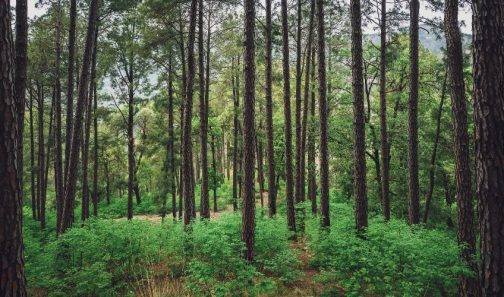
According to recent policy reviews, there is a need for stricter laws against illegal logging and better ways to enforce them. There is also a call to involve local communities in protecting their forests, as they are often the first to notice and report illegal activities. For a sustainable future, Pakistan needs a plan that not only plants trees but also addresses the root causes of the problem.
The 18% decline in forest cover is more than just a statistic, it’s a warning. The floods of 2022 and 2025 show the very real consequences of ignoring deforestation. Pakistan now stands at a crossroads: act now to protect forests, or face an even harsher future of floods, droughts, and water insecurity.
Safeguarding forests isn’t just about saving trees but it’s about securing livelihoods, food, water, and safety for generations to come