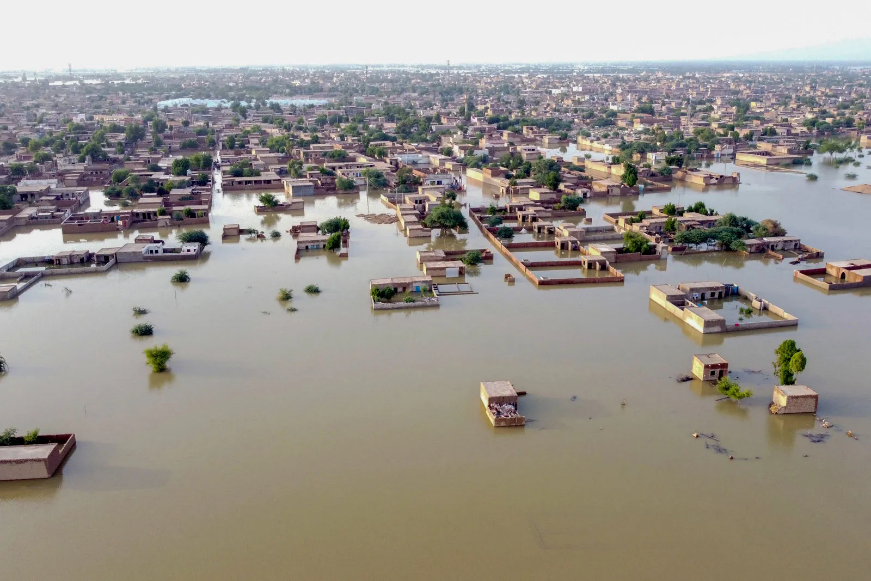
Climate change is not a future issue; for Pakistan, it is a harsh reality that is happening presently. The nation, with its contribution of less than 1% of global greenhouse gas emissions, is at the forefront, struggling with a triple threat of extreme weather conditions: flash flooding, droughts, and a continuous increase in temperature. These are not random incidents but interrelated symptoms of a world in distress, and their human cost is immense.
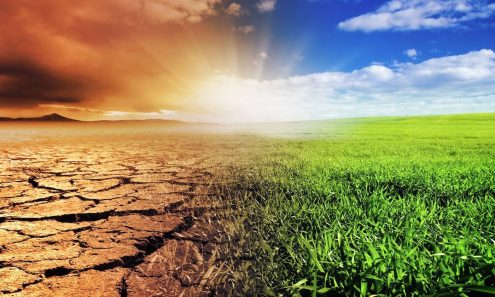
The Deluge of 2025: A Monsoon of Misery
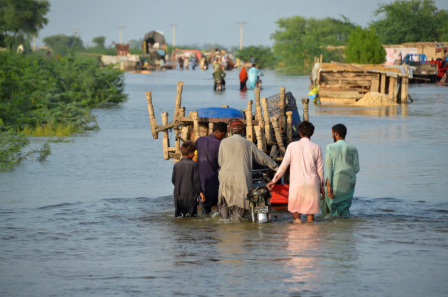
The 2025 monsoons have been exceptionally harsh. Beginning in late June, there have been heavy rains and powerful cloudbursts triggering flash floods all over the nation, with Balochistan, Khyber Pakhtunkhwa (KP), and Punjab all getting hit. Recent updates from July 2025 indicate heartbreaking results:
- Deadly Cloudbursts: In the north, especially in Gilgit-Baltistan, cloudbursts have resulted in a surge of water and landslides. This has claimed several lives and stranding many tourists who now require urgent rescue.
- Urban Flooding: In densely populated provinces such as Punjab, incessant rainfall has saturated cities into water basins. In Rawalpindi, a state of emergency was imposed, and people living along the Lai Nullah were given an evacuation notice as water levels increased, reviving concerns of a repeat of previous urban floods.
- A Rising Death Count: The National Disaster Management Authority (NDMA) estimates a huge number of deaths and injuries nationwide, with Khyber Pakhtunkhwa being the most-hit province. The death toll from the 2025 monsoon has already reached a high number, with hundreds injured and displaced.
These events are not just about rain; they are about the supercharging effect of climate change on weather patterns. The monsoon is becoming more intense and unpredictable, turning a life-giving season into a life-threatening one.
The Paradox of Scarcity: Droughts in a Land of Rivers
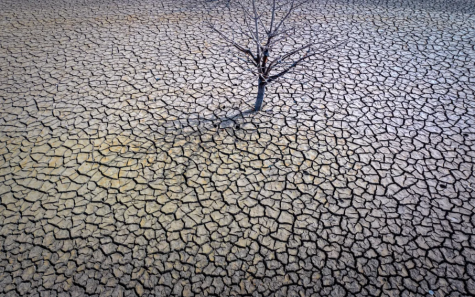
While some regions experience the floods, a different crisis is brewing elsewhere. Pakistan is experiencing a devastating drought, a bitter irony of climate change. Beginning from late 2024 through early 2025, the nation witnessed subnormal rainfall, particularly in Sindh and Balochistan. The aftereffects of this recent drought are devastating.
The shortage of rain, and excessive glacial melt, has resulted in a severe decline in water levels in vital dams such as Tarbela and Mangla. This is a severe threat to the agricultural sector in the country, which sustains millions of individuals.
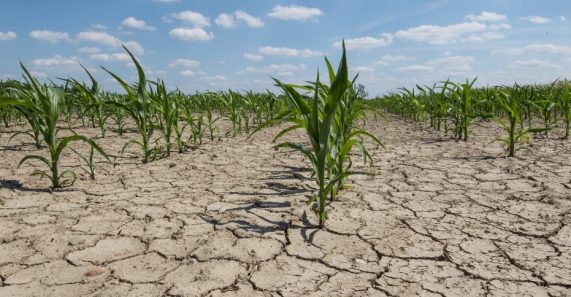
In southern Sindh, a 62% shortfall in rainfall was registered. This has resulted in crop loss, leading farmers to leave their lands and look for alternative employment, threatening food security among vulnerable groups. The Pakistan Meteorological Department (PMD) has issued warnings of the likelihood of “flash droughts” in the next few months, a sudden onset of dryness as temperatures rise.
The Relentless Heat: A Threat to Life and Economy
This “2025 India–Pakistan heat wave” has recorded temperatures of 5-8°C above the seasonal average, stretching the population and infrastructure to their limits. Both in urban and rural areas, excessive hot weather has been a serious health issue, with rising heat-related illnesses.
The heat is especially hazardous for children, the elderly, and people working outdoors. The blistering temperatures have also hastened glacial melt in the north, increasing the threat of Glacial Lake Outburst Floods (GLOFs), a sudden release of water from a glacial lake that creates destructive flash floods downstream.
The heatwave has taxed the power grid, with a surge in demand for air conditioning causing blackouts. It has also impacted agricultural yields, where farmers indicate lower yields from crops as the plants fight to adapt to thermal stress.
Pakistan’s struggle with climate extremes is no longer a threat—it’s an experienced reality. With fatal floods, debilitating droughts, and high heatwaves, the nation is at the frontline of climate emergency. There needs to be concerted action, at the national and international levels, to ensure resilience and safeguard millions who are vulnerable.