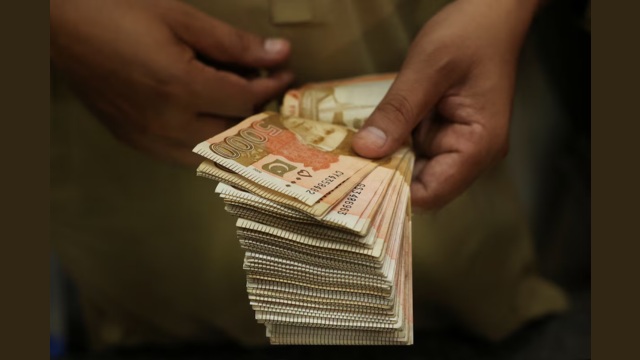
Pakistan has formally requested a $10 billion Exchange Stabilization Facility from the United States in an effort to strengthen its foreign exchange reserves and protect the economy from growing external pressures. If approved, the five-year facility could help stabilize the Pakistani rupee, improve investor confidence, and reduce the country’s dependence on emergency financial support from international lenders. The request was made by Finance Minister Muhammad Aurangzeb during meetings with US Treasury officials in Washington.
The timing is significant. Although Pakistan has made progress since narrowly avoiding default in 2023, its economy remains vulnerable to rising oil prices, external debt repayments, and global uncertainty. The country is currently implementing a $7 billion IMF programme, which has helped improve fiscal discipline and rebuild economic confidence. Recently, S&P Global upgraded Pakistan’s sovereign credit rating from B- to B, citing successful economic reforms and stronger institutional stability.
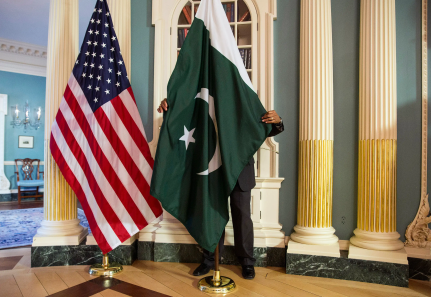
A stabilization facility differs from a traditional development loan. Instead of funding projects, it is designed to strengthen a country’s foreign exchange reserves, support its currency, and ensure it can continue paying for essential imports such as fuel, machinery, and food. According to reports, Pakistan’s oil import bill has risen to nearly $800 million per week, increasing pressure on the country’s external finances amid regional tensions.
If approved, the proposed facility would provide valuable short-term financial relief. However, economists agree that Pakistan’s long-term economic stability will depend less on external funding and more on expanding exports, broadening the tax base, attracting investment, and reducing reliance on repeated bailouts. Financial support can offer breathing space, but sustainable growth will ultimately come from reforms implemented at home.