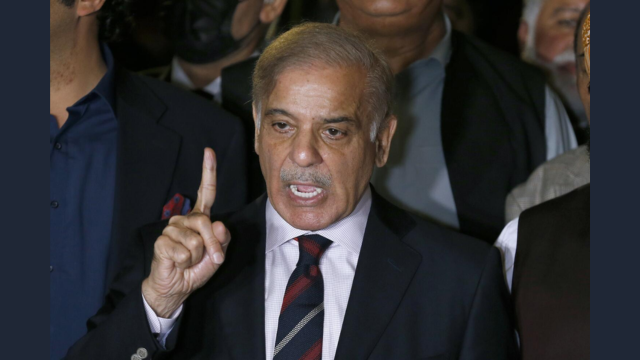
As of April 2026, Pakistan shows signs of both stability and ongoing challenges. On one side, economic indicators suggest some improvement. Inflation has come down significantly from previous highs and is currently around 5–6%, staying within the central bank’s target range. The economy is also expected to grow modestly, with projections around 3–3.2% this year. Foreign exchange reserves have improved compared to earlier crisis levels, and default risks have reduced due to strict financial policies and support from the IMF.
However, this stability remains fragile. Pakistan is still heavily dependent on IMF programs, and ongoing negotiations show that key reforms are not yet fully complete. Tax collection remains below targets, with a reported shortfall of hundreds of billions of rupees, forcing the government to revise its fiscal goals. At the same time, global factors are increasing pressure. Rising oil prices and regional conflicts, especially tensions involving Iran, are affecting Pakistan’s import costs and inflation outlook.
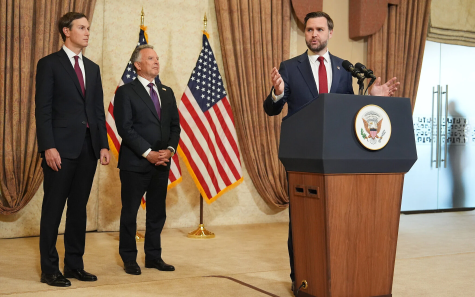
Politically, the situation is also mixed. Pakistan recently gained attention for helping mediate a ceasefire in the US–Iran conflict, which reflects growing diplomatic influence . Yet internally, political divisions, governance issues, and slow policy implementation continue to limit long-term progress .
In simple terms, Pakistan is not fully stable, but it is also not in complete crisis. The country has stepped back from immediate economic danger, but deeper structural and political issues remain unresolved. Its future depends on consistent reforms, political cooperation, and how well it manages external pressures in the coming months.