Every year, the Pakistan Super League generates its share of unforgettable moments, a last-over finish, a breakout star, international stars in local stadiums. But beyond the cricket itself, PSL and its sponsors are subtly creating an impact by participating in local culture rather than simply advertising around it.
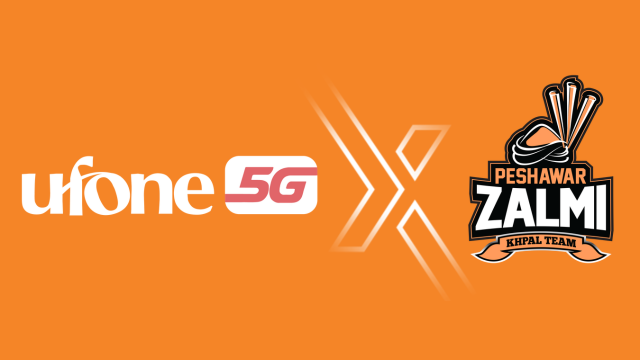
Among the league’s longest-standing partnerships, the collaboration between Ufone 5G, PTCL Group and Peshawar Zalmi stands out not because it is the one behind the current PSL champions, but because it has evolved into something much bigger than logo placements and commercial airtime.
In today’s digital first era, this is one partnership that has understood the key ingredients to a successful sponsorship and are using those elements effectively to create impact that goes beyond the boundaries of the stadium. This collaboration demonstrates that the most successful partnerships are those that become part of the experience itself. That is precisely where the Zalmi-Ufone relationship has differentiated itself over the years.
Sports sponsorships traditionally revolve around visibility metrics, how many viewers saw the logo, how many impressions were generated and how many times the sponsor was mentioned during a broadcast. Those benchmarks still matter, but they no longer define success on their own.
Today’s audiences expect interaction, entertainment and emotional relevance. Cricket fans are no longer just watching matches; they are participating in conversations, memes, reactions, livestreams, watch parties and digital communities that continue long after the final ball.
Recognizing this shift early, Ufone and PTCL Group have approached PSL not simply as a media-buying opportunity, but as a cultural engagement platform.
One of the clearest examples of this has been the way the partnership integrated itself into digital fan culture. Instead of relying solely on polished advertising campaigns, the collaboration embraced real-time storytelling, reacting to match moments, leveraging humor, creating meme-driven content and participating in the language fans themselves were already speaking online.
This may sound simple, but it reflects a major evolution in brand thinking. Traditionally, corporations preferred carefully controlled messaging. PSL, however, moves at internet speed. A dropped catch, a Babar Azam masterclass or a viral crowd reaction can dominate social media within minutes. The brands that succeed are the ones willing to participate authentically in those moments.
That responsiveness helped the partnership remain visible without constantly feeling intrusive. For younger audiences especially, that distinction matters.
At the same time, the collaboration consistently linked cricket excitement with product communication in ways that felt organic rather than forced. Ufone’s “Data Bohhaaat Hai” campaign, for instance, became one of the most recognizable communication platforms in the country precisely because it moved beyond functional telecom language and entered everyday conversation.
Instead of speaking to consumers in technical jargon, the campaign translated a straightforward offering into something culturally relatable and memorable. Peshawar Zalmi’s player ecosystem and fan reach amplified that relatability, allowing the messaging to travel naturally through cricket fandom.
The involvement of players such as Babar Azam further strengthened that connection. In Pakistan, cricketing figures are more than athletes; they are cultural influencers capable of shaping public conversation across demographics.
And perhaps the most interesting aspect of the partnership is how deliberately it extended beyond cricket broadcasts.
Across multiple PSL seasons, fan parks and experiential activations created community-driven viewing experiences for audiences unable to access stadiums directly. In a country where cricket fandom cuts across geography, income groups and generations, those spaces transformed matches into shared social events.
That community element matters because modern sports partnerships increasingly depend on creating participation rather than passive consumption. People do not just want to watch; they want to feel included in the atmosphere surrounding the spectacle.
The collaboration also ventured into spaces that are rarely prioritized within traditional sponsorship conversations.
Through initiatives tied to Ufone’s Dil se Ba-Ikhtiar platform, women were given opportunities to participate meaningfully within the PSL ecosystem, including contributing creatively to Peshawar Zalmi’s visual identity. Similarly, support for initiatives such as the Zalmi Women League signaled an understanding that cricket’s future growth in Pakistan depends on expanding participation beyond conventional audiences.
In many ways, the Ufone 5G and Peshawar Zalmi relationship reflects a broader shift taking place in sports marketing globally. The most effective brand collaborations are no longer those that simply interrupt audiences during the game; they are the ones that actively shape how audiences experience the game itself.
The PSL trophy may symbolize sporting success, but for brands operating in today’s attention economy, relevance is earned far beyond the scoreboard.
And that may be the real story behind this partnership.