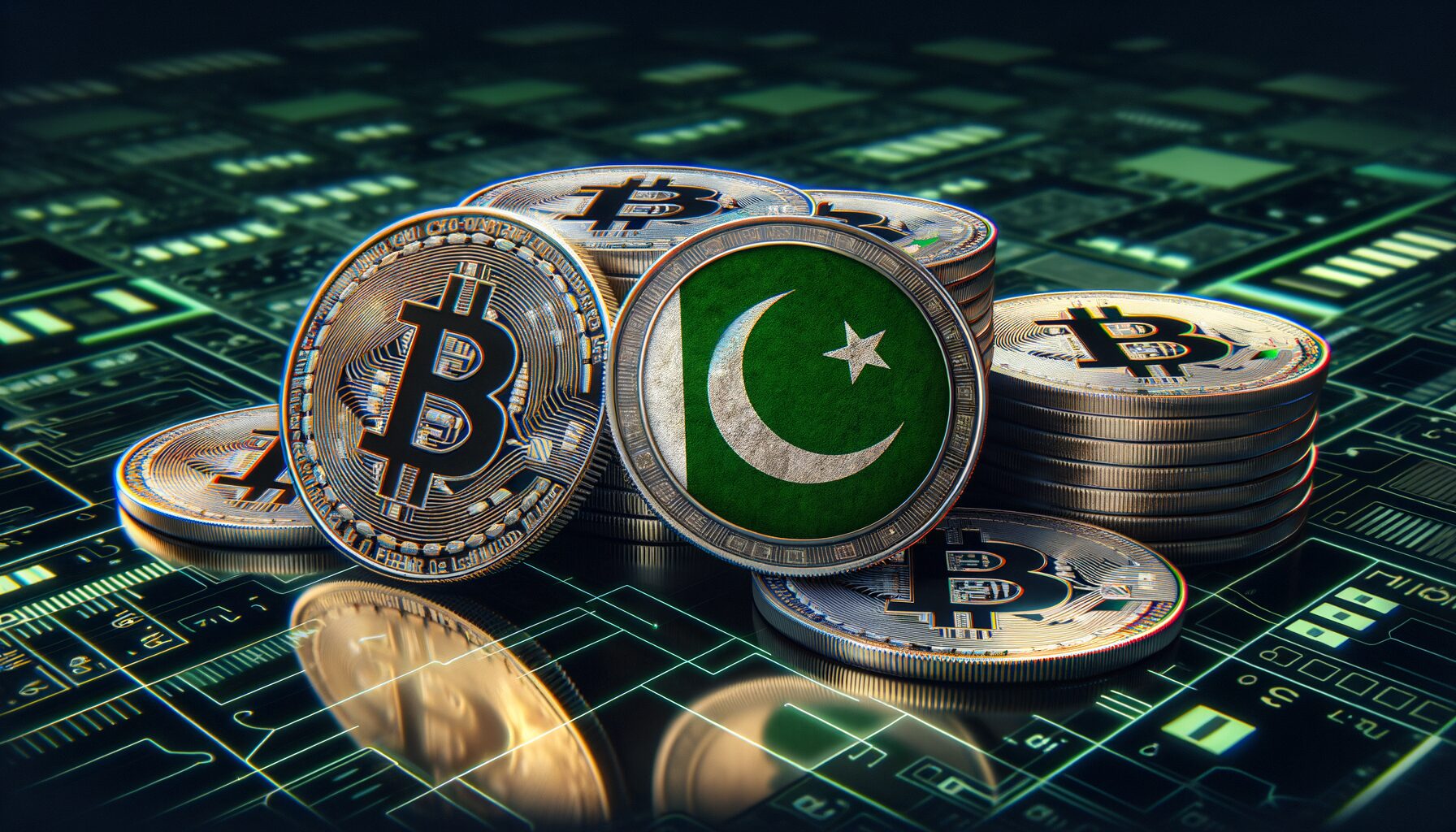
Pakistan is undergoing a silent but powerful digital transformation. Even though the government has banned it, around $20–25 billion in digital money is being used in the country. This has made Pakistan the 8th largest crypto market in the world. This surprising growth is not just about technology, but it shows how strong and smart Pakistanis are during tough economic times.
A Shield Against Economic Storms
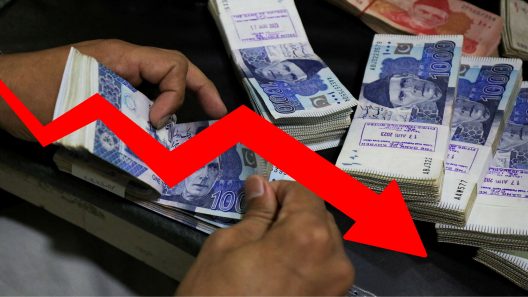
For many Pakistanis, the value of their savings has decreased day by day. The Asian Development Bank points out that increasing inflation, peaking at 38% in 2023, and a staggering 165% devaluation of the rupee from 2017 to 2023 have pushed citizens to seek alternatives. With limited access to foreign exchange and their domestic purchasing power decreasing, cryptocurrencies have become a financial lifeline. They offer a way to protect savings and maintain some stability in difficult times.
Navigating the “Grey Market”
Despite the government reinforcing its ban on crypto trading and ownership in April 2023, citing concerns over outflow of money and pressure on foreign exchange reserves, the cryptocurrency ecosystem has simply adapted to new means of survival. A thriving “grey market” has erupted, with individuals still using crypto as a safety for their hard-earned cash. The informal adoption tells a lot about the desperation perceived by citizens for a reliable financial tool.
The State’s Shifting Stance and Future Plans
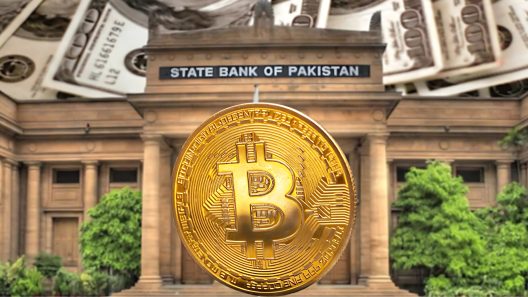
Notably, as the unofficial crypto space thrives, the State Bank of Pakistan (SBP) isn’t completely in denial about the digital tide. They’re preparing to introduce their own Central Bank Digital Currency (CBDC) in 2025, starting with bulk-scale interbank and treasury operations. This action indicates an awareness of the increasing significance of digital assets, if only the strategy is to wait and see while centralizing it for the time being.
Balancing Innovation and Stability
The story of crypto in Pakistan is a complicated one. On the one hand, it’s a clear sign that the conventional banking system is not doing enough to cater to the needs of a nation experiencing extreme economic instability.Digital assets have emerged as important tools of financial protection, a source of hope during uncertainty.
The government, however, has a fine balancing act to do. How do you welcome financial innovation and address the short-term needs of your people, without sacrificing economic stability in the increasingly digital world? It is not a Pakistan-specific problem, but its high level of crypto adoption makes it a valuable case study. The way ahead will need to be navigated carefully, balancing new digital possibilities with a stable economic environment for all.