In 2026, rising tensions in the Middle East have shaken global oil and gas markets. A major reason is the ongoing conflict involving Iran, which has disrupted shipping through the Strait of Hormuz. It is a key route for about one‑fifth of the world’s oil and liquefied natural gas (LNG). When this narrow waterway faces instability, tanker traffic slows or stops, pushing global energy prices higher and making supply less predictable.
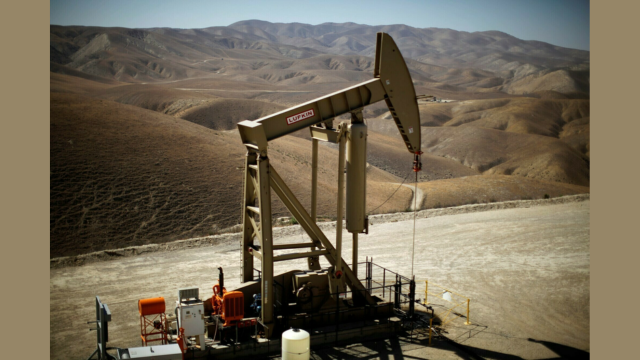
For Pakistan, this global energy turmoil comes on top of a long‑standing domestic energy crisis. The country depends heavily on imported fuel. Around 80 % of Pakistan’s oil and gas supplies come from abroad, mostly through the Hormuz route. Domestic production is limited as Pakistan produces only a small fraction of its own oil and must import roughly 300,000 barrels of crude oil per day, compared with around 70,000 barrels produced locally.
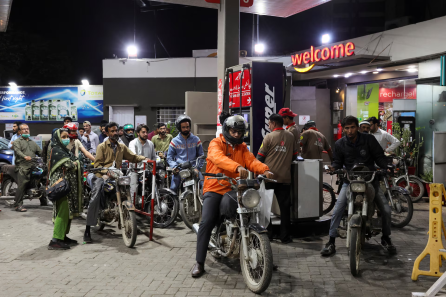
Because Pakistan cannot easily produce enough fuel for its own needs, disruptions abroad quickly affect energy availability and cost at home. In early March 2026, the government raised petrol and diesel prices by about 20 % in response to rising global crude prices triggered by the Middle East crisis. Petrol reached over Rs. 320 per litre, and diesel over Rs. 335 per litre. These hikes stem directly from international market pressures, not local policy alone.
The surge in fuel costs adds pressure to an economy already struggling with inflation and a widening trade deficit. Higher oil and gas prices feed into electricity generation costs. Thermal power plants which run chiefly on imported fuel become more expensive to operate. This in turn can lead to higher electricity tariffs, industrial slowdowns, and even planned gas cuts for some industrial sectors.
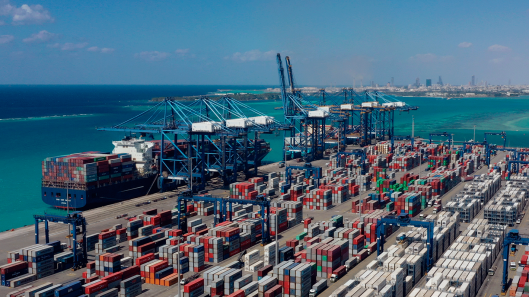
To cope, Pakistan has begun emergency planning. The government is exploring alternative supply routes, such as importing oil through Saudi Arabia’s Red Sea port of Yanbu, and boosting local gas output to reduce dependence on LNG shipments passing through Hormuz.
In essence, global energy conflicts matter in Pakistan not just as distant geopolitical events but as direct influences on daily life from fuel prices at the pump to the lights in homes and factories.