Domestic violence is a serious problem in Pakistan, affecting many women, children and vulnerable people. Studies show that a large number of Pakistani women experience some form of domestic abuse, physical, emotional or economic during their lifetime, but many cases remain unreported due to stigma, fear and social pressures.
Pakistan’s legal framework on domestic violence includes both provincial laws and recent federal efforts. Key legal protections are:
- Punjab Protection of Women Against Violence Act (2016), which defines domestic abuse broadly to include physical violence, harassment, stalking and psychological abuse, and provides mechanisms like protection orders and women’s shelters.
- Sindh Domestic Violence (Prevention and Protection) Act (2013) and Balochistan Domestic Violence Act (2014), which also cover varied forms of abuse and criminalise violent behaviour within domestic relationships.
- Khyber Pakhtunkhwa Domestic Violence Against Women Act (2021) sets up district protection committees to assist victims and promote awareness.
In 2025–2026, the Domestic Violence (Prevention and Protection) Act was passed for the Islamabad Capital Territory, creating a more updated framework. It defines domestic violence to include physical, emotional, psychological, sexual and economic abuse, and gives courts authority to issue protection and residence orders, impose fines and award compensation. Penalties range from six months to three years of imprisonment along with fines to support the victim.
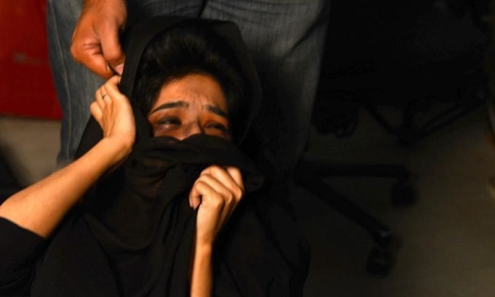
Despite these laws, implementation remains weak. Police and judicial systems often lack gender-sensitive training. Many victims hesitate to file complaints due to fear of family backlash or shame. Conviction rates are low compared with the number of reported cases of violence against women and children, highlighting gaps between legislation and real-world protection.

Media and popular culture have played a role in raising public awareness about domestic abuse. Pakistani television dramas such as Kankar, Hania, and older serials like Zaib‑un‑Nisa have depicted domestic violence and its impact on women’s lives, helping open conversations in many households. Other series including Case No. 9 have tackled related themes of violence and the quest for justice, bringing attention to the challenges survivors face.
In conclusion, Pakistan has multiple laws aimed at preventing and punishing domestic violence, but enforcement and access to justice still lag behind. Greater public education, stronger enforcement, better police training and expanded support services are needed to make these laws truly effective for victims across the country.