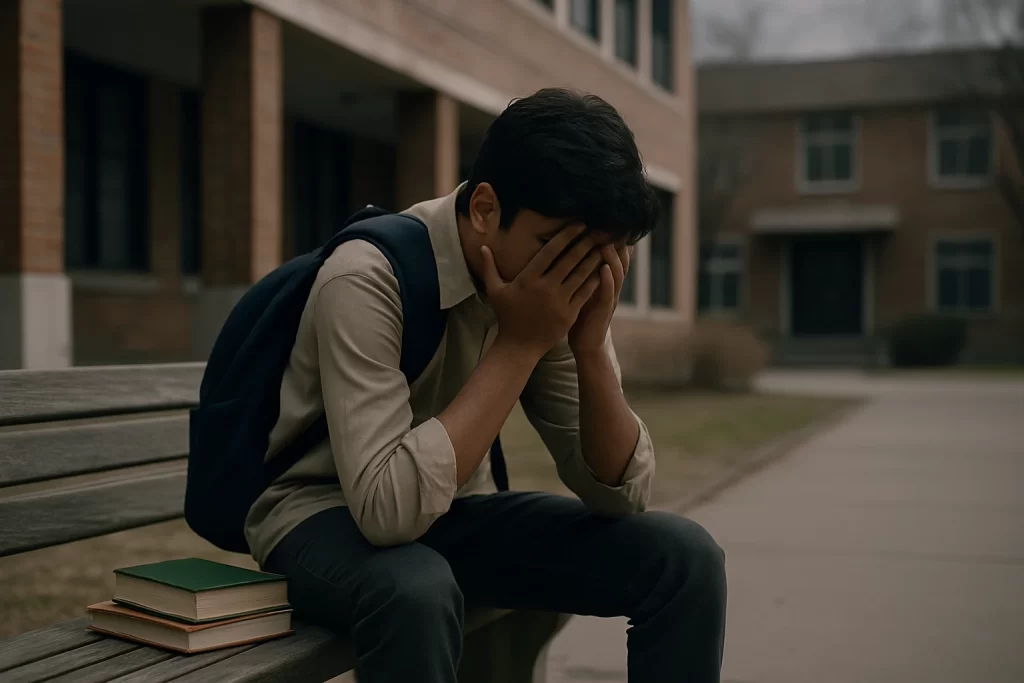
For many people, the age of 20 is supposed to feel exciting. It is often described as a time of energy, ambition, and new beginnings. But for a growing number of young adults, this stage of life feels heavy, tiring, and emotionally draining. Burnout is no longer limited to middle age. It is showing up much earlier, and research supports this shift.
Studies over the past few years show that stress levels among people in their late teens and early twenties are higher than ever before. Surveys conducted in multiple countries indicate that nearly one in four young adults report feeling burned out before they turn 30. Many say their stress peaks during early adulthood due to constant pressure to succeed, earn, and make the “right” life choices quickly.
Burnout at this age often comes from trying to manage too much at once. Education, work, financial responsibilities, family expectations, and social pressure all collide at the same time. Unlike earlier generations, today’s young adults also face rising living costs, unstable job markets, and constant comparison through social media. Research has found that excessive screen time and online comparison are linked to anxiety, low motivation, and emotional exhaustion among young people.

The effects are real and physical. Young adults experiencing burnout often report poor sleep, constant fatigue, headaches, difficulty focusing, and a sense of emotional numbness. Academic studies on university students show high levels of exhaustion and detachment, with many struggling to stay engaged even in subjects they once enjoyed.
Early burnout does not mean weakness. It reflects an environment that demands too much, too soon. Recognizing it early matters. Slowing down, setting limits, seeking support, and allowing rest are not failures. When 20 feels heavy, it is often a sign that care, balance, and understanding are needed not more pressure.