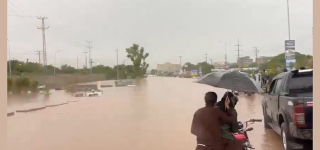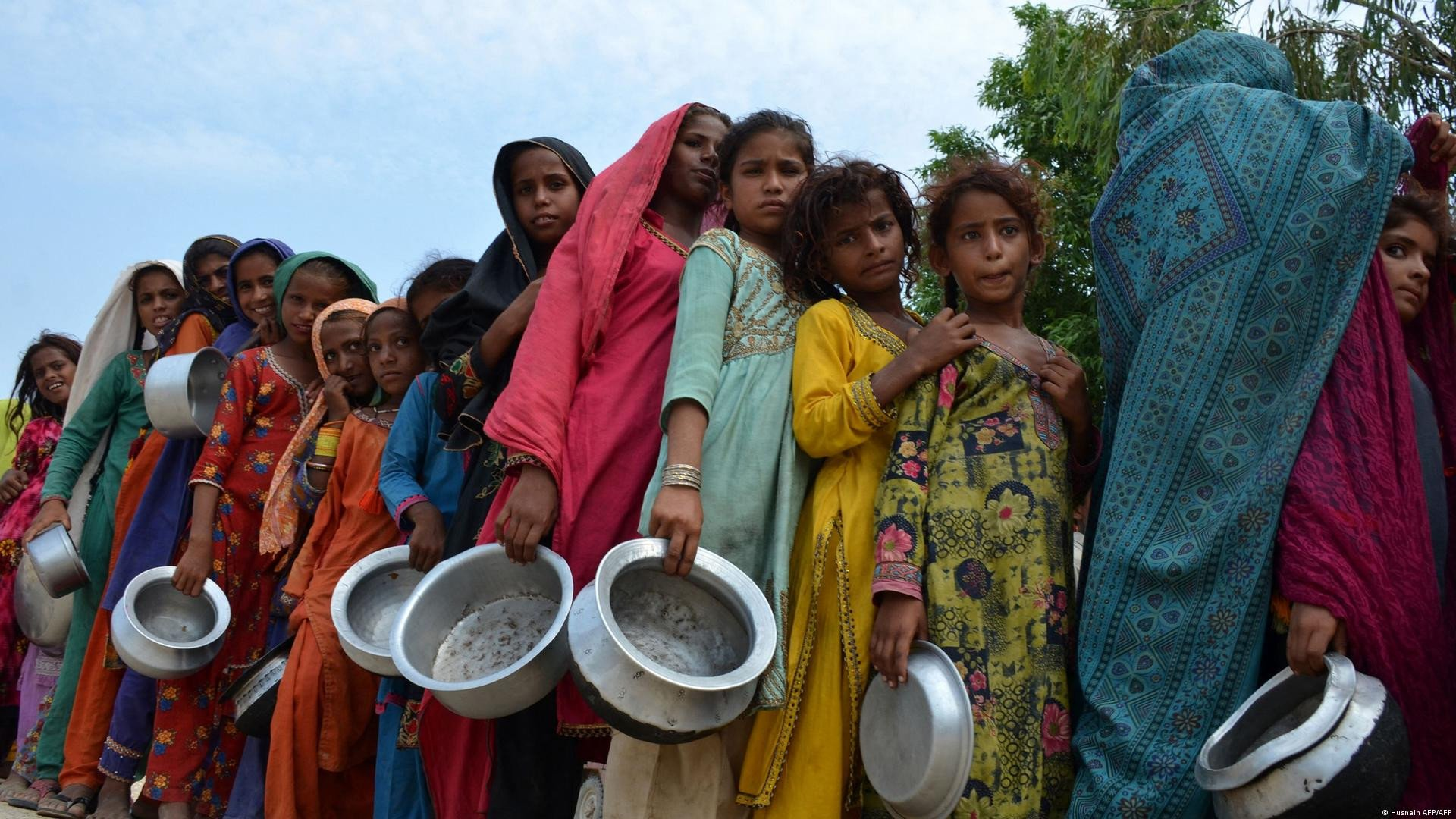
Balochistan, the largest province of Pakistan by land area, is rich in natural resources such as gas, coal, copper, gold, chromite, and marble. One might expect this abundance to bring prosperity, yet Balochistan remains the most underdeveloped region in Pakistan with high poverty, limited services, and low economic growth.
A major reason is poor infrastructure and isolation. Balochistan’s vast territory and low population density make building roads, schools, hospitals, and utilities very expensive and slow. Its remote villages are often disconnected from major cities, reducing access to markets and services that could boost development. This isolation also raises the cost of public services like healthcare and education.
Another key issue is low economic diversification. Most raw materials from Balochistan are transported outside the province for processing and industrial use. This means the local economy misses out on value-added jobs and broader industrial growth. Without local processing industries, employment opportunities stay limited.
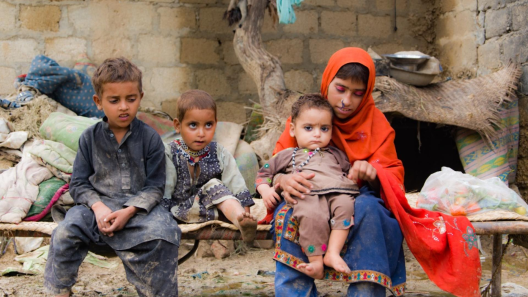
The province also suffers from limited public services. Healthcare and education systems are underdeveloped, especially in rural areas. Many clinics and schools lack medicines, equipment, and trained staff, contributing to poor health outcomes and low literacy rates.
Governance and resource management issues deepen the problem. Balochistan depends heavily on federal transfers because its own revenue base is small. Even with significant federal funds, weak oversight and accountability often lead to inefficient use of money, delaying development projects.
Political instability and security challenges, including longstanding insurgency and tensions over resource sharing, discourage investment and slow economic activity. These conflicts make it harder to implement long-term development plans, as resources are diverted to security rather than social and economic development.
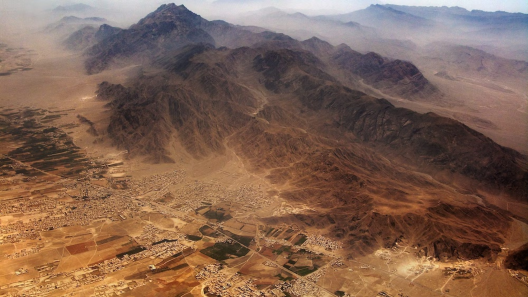
In addition, water scarcity and environmental stress from drought and climate change reduce agricultural productivity and strain local livelihoods. Balochistan’s farmers and herders face shrinking water supplies and heat stress, further pushing families into poverty.
Balochistan’s underdevelopment stems not from lack of resources but from geographical challenges, weak infrastructure, limited local industrialisation, governance gaps, and political instability. To change this, focused investment in education, healthcare, industry, and fair resource distribution is essential.