Women’s participation in Pakistani politics has grown steadily over the years, reflecting both social change and the determination of female leaders who have challenged traditional barriers. Although politics in Pakistan has long been dominated by men, women have increasingly made their presence felt in parliament, political parties, public movements, and government institutions.
Fatima Jinnah was among the first women to leave a lasting political impact when she contested the 1965 presidential election against Ayub Khan. Her campaign encouraged greater political awareness among women and highlighted the importance of democratic participation. Decades later, Benazir Bhutto became the first woman to serve as Prime Minister of Pakistan, breaking a major political barrier and gaining international recognition.
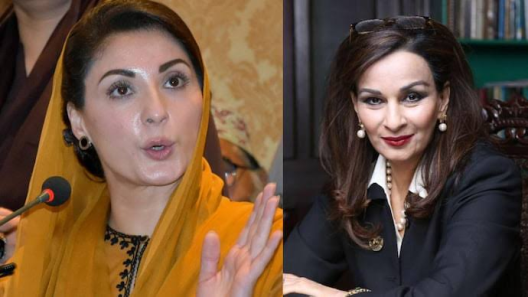
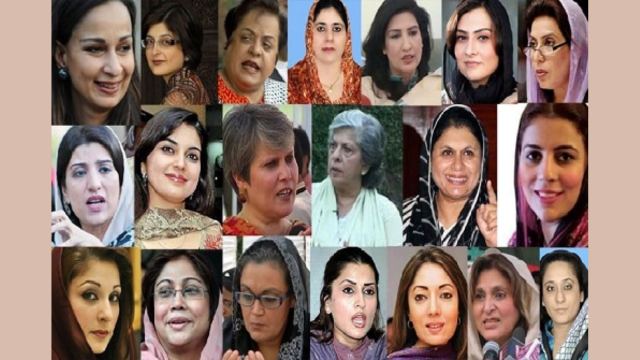
In recent years, several women have achieved important milestones. Maryam Nawaz made history in 2024 by becoming the first female Chief Minister of Punjab, Pakistan’s largest province. Sherry Rehman has played a significant role in parliament and diplomacy, serving as a federal minister and Pakistan’s ambassador to the United States. Dr. Yasmin Rashid, known for her work in healthcare, has been an influential political figure and served as Punjab’s Health Minister.
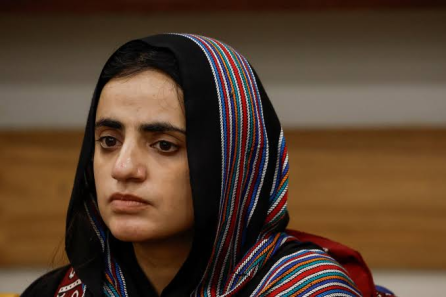
Political participation is not limited to elected offices. Mahrang Baloch has emerged as a prominent rights activist who has drawn attention to issues affecting communities in Balochistan. Through peaceful advocacy and public campaigns, she represents another form of political engagement that influences public debate and policy discussions.
Despite these achievements, women continue to face challenges. Cultural norms in some areas discourage women from entering politics, while financial constraints and limited access to influential political networks often make election campaigns difficult. Female politicians and activists also face online harassment, security concerns, and greater scrutiny than their male counterparts.
Pakistan has introduced reserved seats for women in legislative bodies, which has improved representation. However, experts argue that more women should be encouraged to contest general seats and hold leadership positions within political parties.
The growing presence of women in politics demonstrates positive progress, but genuine equality requires continued efforts. By creating safer and more inclusive political spaces, Pakistan can ensure that talented women from all backgrounds contribute to the country’s democratic development and decision-making processes.