Education inequality is a major global challenge, with access improving in many regions but quality and opportunity still uneven. UNESCO and World Bank data show that while more children attend school worldwide, many finish without basic reading and math skills. Inequality is strongest between rich and poor families, and marginalized groups, such as girls and children with disabilities, often face greater barriers to education.
Countries like Finland and South Korea demonstrate that strong public investment in schools and teacher training can significantly reduce learning gaps. Prioritizing equitable funding, early childhood education, and continuous assessment ensures consistent learning outcomes for all students. In Latin America, targeted support programs like Mexico’s Oportunidades and Brazil’s Bolsa Família link family financial support to children’s school attendance and health checkups. These programs have successfully increased enrollment and reduced dropout rates among the poorest students.
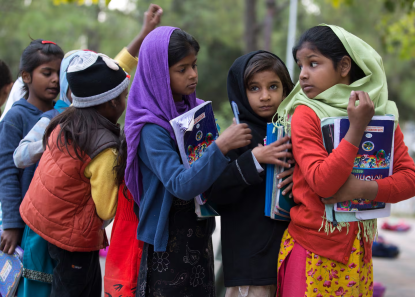
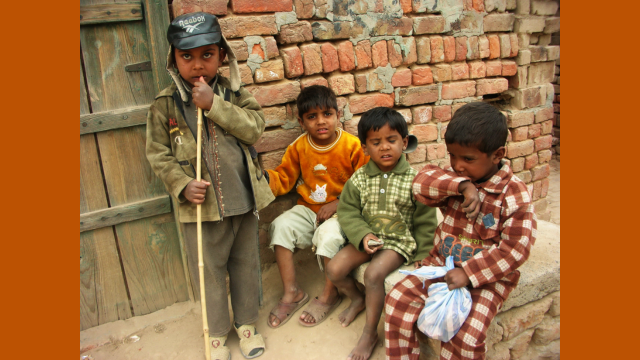
Pakistan faces similar challenges. National literacy rates are between 60% and 68%, with female literacy significantly lower than male literacy, especially in rural areas. Children from low-income families are more likely to be out of school, and those attending often struggle due to overcrowded classrooms, lack of learning materials, and undertrained teachers. Regional disparities are notable, with provinces like Balochistan and Khyber Pakhtunkhwa lagging behind Punjab and Sindh in school access and quality.
To reduce educational inequality, Pakistan can adopt lessons from international reforms. Expanding conditional cash transfer programs can help families overcome economic barriers and improve attendance, particularly for girls. Inclusive policies supporting students with disabilities and marginalized communities will help narrow achievement gaps. Addressing cultural and structural barriers through community engagement and improved governance is also essential.
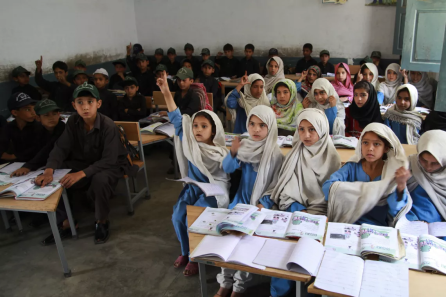
By implementing these strategies, Pakistan can provide better access to quality education for all children, ensuring that economic or social background does not limit learning opportunities. With focused reforms, the country can make meaningful progress in reducing education inequality and improving learning outcomes nationwide.