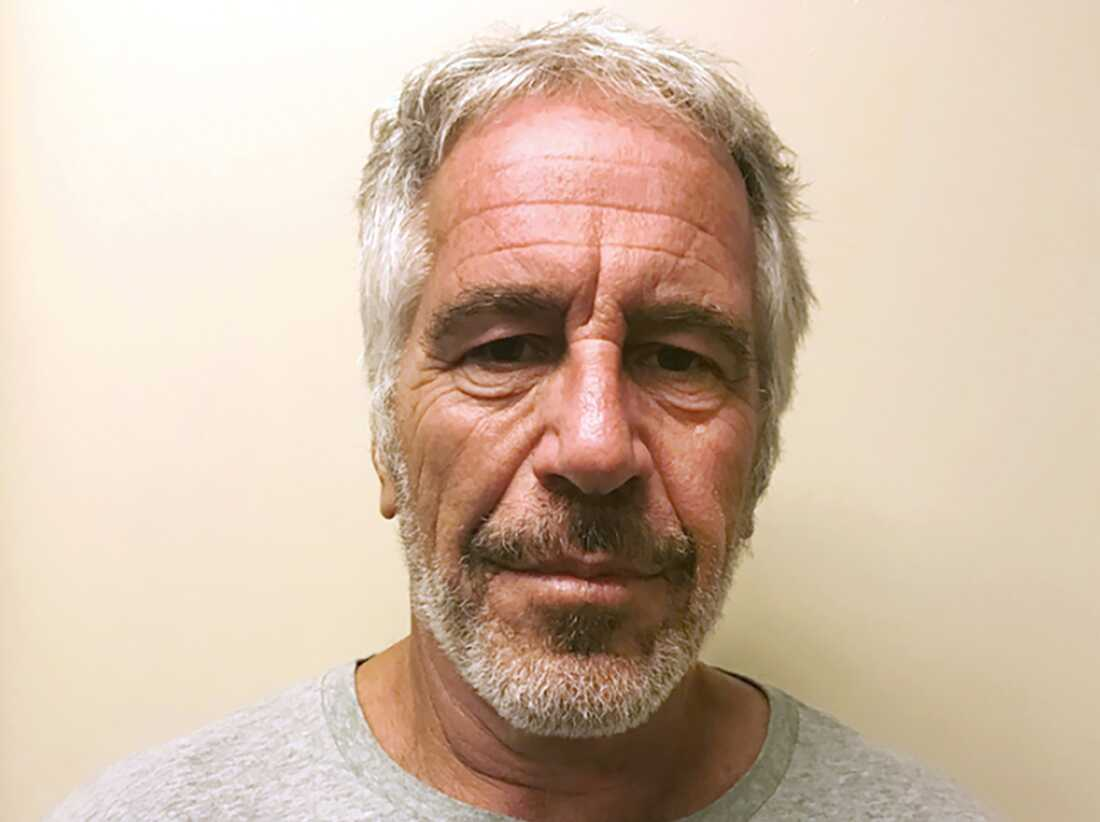
The Jeffrey Epstein case is one of the most disturbing and widely discussed criminal cases in recent history. It involves serious crimes, powerful people, and many unanswered questions. Even years after his death, the case continues to raise concerns about justice, accountability, and the protection of victims.
Who Was Jeffrey Epstein
Jeffrey Epstein was an American financier who lived a very wealthy lifestyle. He had connections with politicians, business leaders, academics, and celebrities. Despite presenting himself as a successful investor, the true source of his wealth was never fully clear. Over time, it became known that Epstein was involved in the s*xua* abuse and exploitation of underage girls.
Early Criminal Case
In 2005, Epstein was first investigated in Florida after reports that he had abused teenage girls at his home. In 2008, he reached a controversial plea deal. He pleaded guilty to state charges related to soliciting prostitution from a minor. As part of the deal, he served only about 13 months in jail with work release privileges. This deal was widely criticized for being too lenient and for protecting Epstein from federal charges at the time.
In July 2019, Epstein was arrested again, this time on federal charges of s** traffi*king of minors. Prosecutors accused him of abusing dozens of girls in New York and Florida and of running a traffi*king operation for many years. This arrest brought renewed attention to his past crimes and the earlier plea deal.
Death in Jail
On August 10, 2019, Jeffrey Epstein was found dead in his jail cell in New York while awaiting trial. Authorities ruled his death a suicide. However, the circumstances raised many questions. Reports of broken cameras, guard failures, and previous suicide watch removal caused public suspicion and widespread debate.
Many survivors later came forward to share their experiences. They described being groomed, manipulated, and abused when they were minors. In 2021, Epstein’s estate agreed to a settlement to compensate victims. While money cannot undo the harm, it was one form of accountability after his death.
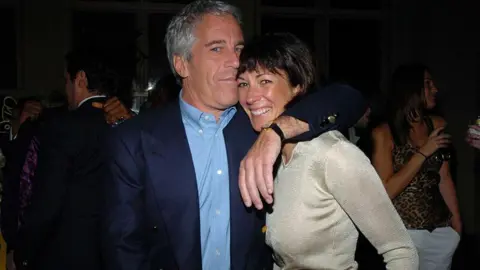
Ghislaine Maxwell, a close associate of Epstein, was charged and later convicted in 2021 for helping him recruit and abuse underage girls. She was sentenced to prison. Her conviction confirmed that Epstein did not act alone, though questions remain about others who may have been involved.
Release of Epstein Records
Starting in 2024, courts ordered the unsealing of thousands of pages of documents related to Epstein. These records came from lawsuits and investigations connected to his crimes. The documents included names, emails, contact lists, and references to individuals who had contact with Epstein.

Importantly, being named in these records does not mean a person committed a crime.
The process of reviewing and releasing Epstein-related records has continued into 2025. Courts and authorities are releasing information in stages to ensure legal accuracy and victim protection. These disclosures are part of ongoing efforts to increase transparency and answer long-standing public questions.
Despite arrests, convictions, and document releases, many questions remain. How did Epstein avoid justice for so long? Why were early warnings ignored? Were there others who played a role but were never charged? The continued release of records shows that the case is still not fully closed.
The Jeffrey Epstein case exposed serious weaknesses in the justice system, especially when dealing with powerful and wealthy individuals. While progress has been made through investigations, court rulings, and record releases extending into 2025, many believe the full truth has yet to be revealed. The case remains a powerful reminder of the need for accountability, transparency, and protection for victims above all else.