Medical experts have raised serious concerns as Pakistan faces one of the highest rates of breast cancer in Asia, with over 2.3 million women currently affected. According to data shared by leading oncologists and health organizations, the country loses around 40,000 women annually to breast cancer
Experts says that the disease is no longer confined to older women. “We are seeing more young women, even in their twenties, coming in with late-stage breast cancer,” said Dr. Ayesha Malik (Consultant Oncologist at Shaukat Khanum).
Why More Pakistani Women Are at Risk?
Recent research published in medical journals across Pakistan, including the Annals of King Edward Medical University and the Pakistan Journal of Public Health, reveals that reproductive factors, lifestyle habits, and genetic mutations contribute significantly to the growing burden of breast cancer. Studies from Lahore and Peshawar have shown that women who delay childbirth, have fewer children, or do not breastfeed are at higher risk.
Unhealthy diets, such as high consumption of processed meat and low intake of fruits and vegetables, further increase this risk. Moreover, local genetic studies have identified mutations in genes such as BRCA1, like those found in Western populations, emphasizing that hereditary factors also play a major role among Pakistani women.

Early Detection Remains the Biggest Challenge
Doctors note that in most cases, women visit hospitals only after the cancer has progressed to later stages. Common early symptoms include the appearance of a painless lump in the breast or underarm, changes in breast size or shape, dimpling or redness of the skin, and unusual nipple discharge, especially if it is bloody.
“I ignored the lump for months because I was scared,” shared Sadia Khan, a 34-year-old breast cancer survivor. “If I had gone earlier, my treatment would have been much easier — early detection truly saves lives.”
It is suggested that awareness of these symptoms and regular self-breast examination can help detect cancer at an early and treatable stage. However, cultural stigma, fear, and misconceptions about the disease often prevent women from seeking timely medical help.
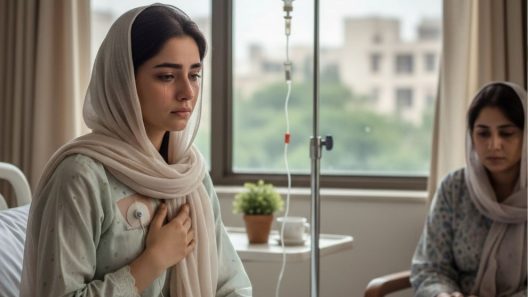
A Call for Awareness and Action
Experts and organizations like the Pink Ribbon Pakistan and Shaukat Khanum Memorial Cancer Hospital continue to emphasize the importance of national-level screening programs, affordable mammography services, and awareness campaigns in both urban and rural areas.
Pakistan’s breast cancer crisis has reached a critical point. With millions already affected and thousands more at risk each year, it is important to break the silence surrounding the disease. Early detection, awareness, and access to proper medical care remain the most effective tools in saving lives. As experts reiterate, breast cancer is not a death sentence but only if it is caught in time.