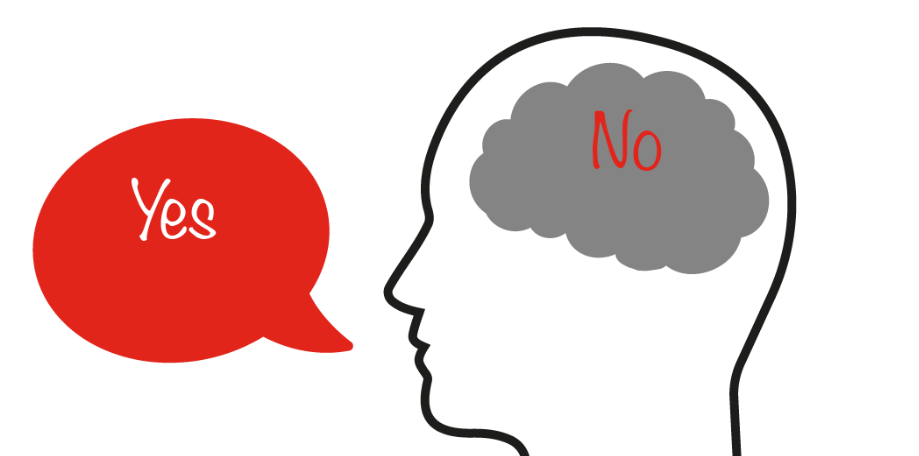
Many people find it difficult to say “no” clearly. We often hesitate, speak too softly, or add long excuses because we don’t want to upset others or seem rude. But being able to say “no” firmly and kindly is an important life skill. It helps you protect your time, lowers stress, and shows others that you respect yourself.
Research shows that tone and delivery matter when refusing requests. A 2022 arXiv study discovered that people with higher social anxiety usually speak in softer, less confident voices when saying “no.” This uncertainty can make others think you are open to persuasion. Communication experts explain that a strong refusal should be direct, simple, and sincere. According to HealthyPlace.com, assertiveness means expressing your thoughts honestly while still respecting others, a balance that builds healthier relationships.
Your voice plays a major role in how your message is received. A confident “no” should be spoken at a natural pace with a steady tone. Try not to rush or make your voice rise at the end of the sentence, which can sound like a question. Speak clearly and loudly enough to be understood, but without aggression. Studies in communication show that clear pronunciation and calm pacing help others see you as more confident and dependable.
Body language also supports your words. Standing upright, facing the person directly, and keeping eye contact shows that you mean what you say. Relaxed gestures and a calm posture add strength to your message.

Consider an example from the workplace. Suppose a colleague asks you to take on extra work when you are already busy. Instead of mumbling or giving a vague answer, you could respond firmly and politely: “No, I can’t take that on right now. My schedule is full.” If the person continues to insist, simply repeat your answer without changing your tone. This approach makes your refusal clear and final, without creating conflict.
Learning to say “no” with confidence takes practice, but it brings lasting benefits. It protects your boundaries, boosts your self-esteem, and helps others understand that your time and energy have value.